
Ruobing Mei, Ph.D.
Sr. Application Scientist

How do you verify a 5-year drug delivery promise without waiting 5 years? digiM uses X-ray microscopy and physics-based simulation to predict IUS release profiles in minutes, not years.

The 1,825-Day Promise
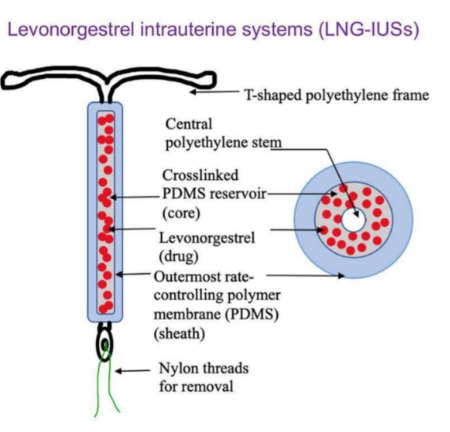
As a physicist at digiM, I spend my days deep-diving into the microscopic architecture of drug delivery systems, such as intrauterine systems (IUSs). But as a Kyleena user, my relationship with this technology is much more personal. I am one of millions of people relying on a tiny, T-shaped piece of technology to perform perfectly every single day for 1,825 days.
The promise is simple: “set it and forget it”. But as a physicist, I can’t help but look at that promise through a lens of skepticism. How can we be absolutely sure of a device's performance over such a vast stretch of time?
If we relied solely on traditional in-vitro testing in a lab to verify release profiles, we’d be stuck in a waiting game. To see how Kyleena performs over its lifespan, you need 5 years of constant testing; for Mirena or Liletta, you’re looking at 8 years. In the fast-paced world of drug development, we simply do not have the luxury of waiting nearly a decade to see if a formulation holds up.
The Solution: Microstructure-informed Simulation
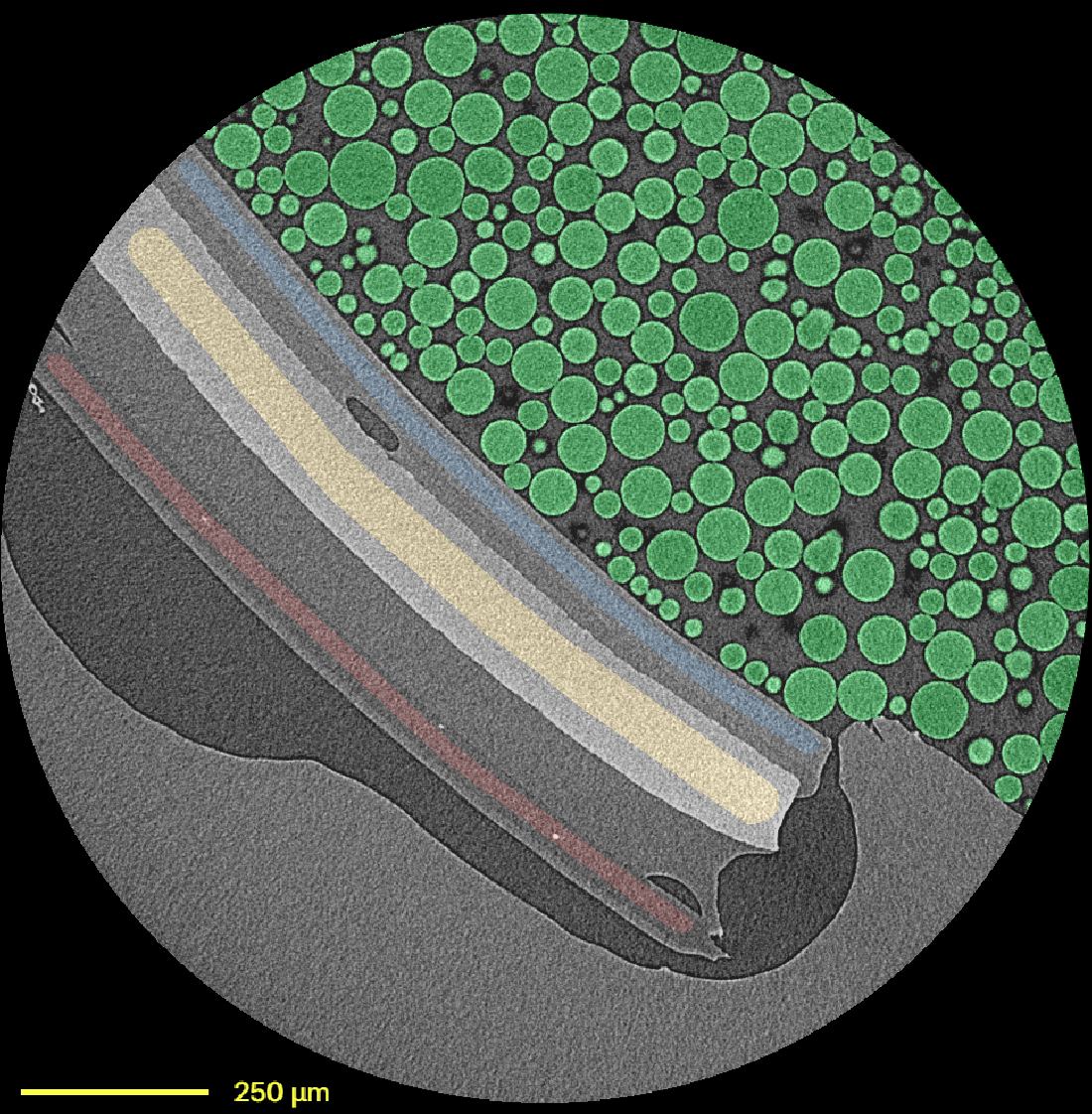
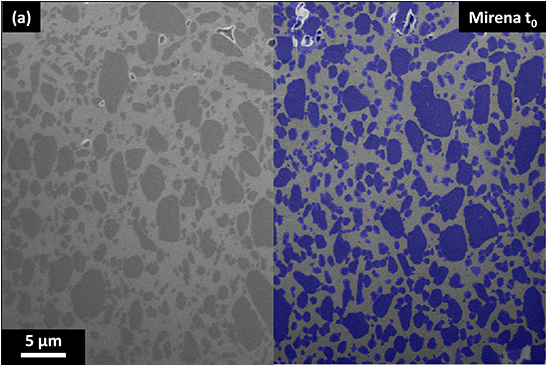
Luckily, at digiM, we can see the future of the IUS through a “digital crystal ball”: a combination of high-resolution imaging and physics-based simulations. Using X-ray Microscopy (XRM) and Scanning Electron Microscopy (SEM), we don’t just see the IUS from the outside; we map its internal structure. We capture the exact geometry of the rate-limiting membrane, the polymer structure in the drug reservoir layer, and the distribution of the API particles.
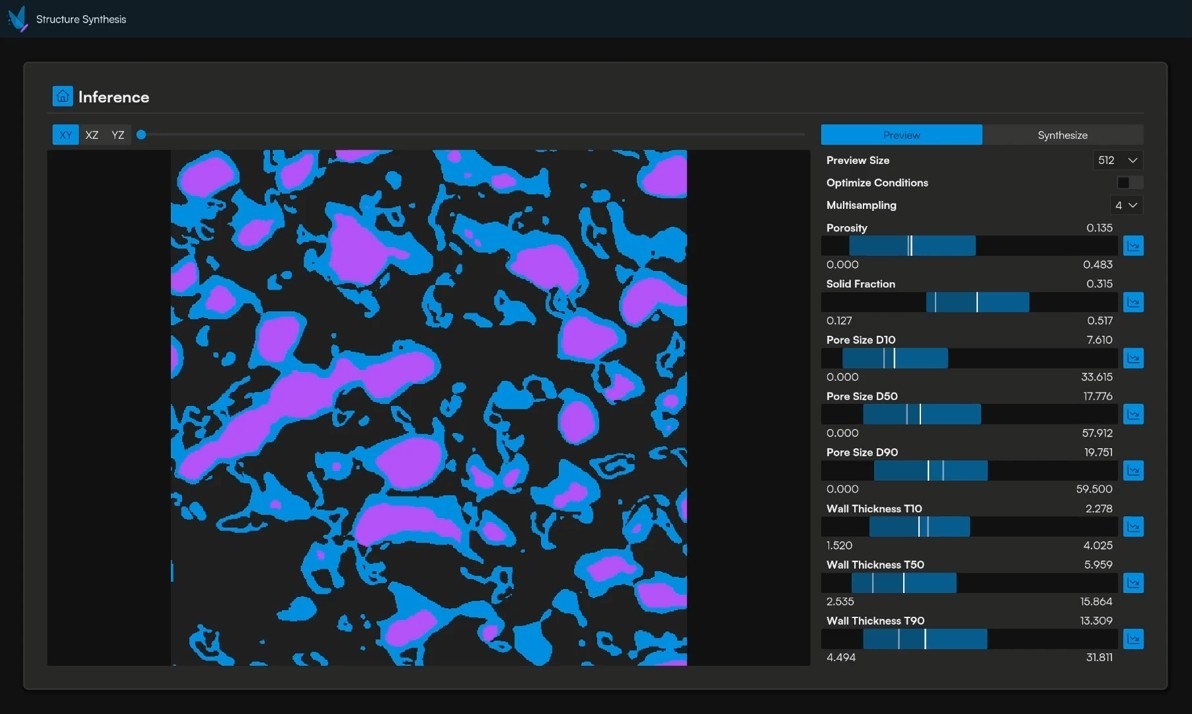
We then digitize the microstructure. Our models simulate drug diffusion through the polymer matrix and the membrane, accounting for every micron of material. We aren't just guessing the release; we are calculating the physics of every molecule’s journey. The result? A predicted release profile that aligns with real-world in-vitro data—but generated in a fraction of the time.
The “What-If” Machine
This approach paves the way for possibilities that traditional testing can’t touch. In a lab, testing a single variation is a massive undertaking. But with our digital crystal ball, we can play "What-If":
Physically testing each of these variations would cost hundreds of thousands of dollars and thousands of days. At digiM, it takes minutes.
Predicting the future is not magic; it is based on real microscopic information and rigorous physics. By looking through the digital crystal ball, we ensure the 1,825-day promise is tested and verified. At digiM, we don’t have to wait years for the drug release to happen; we’ve already calculated it in minutes.


Get started with a drug product digital twin.