
Drew Jyoti, Ph.D.
Sr. Application Scientist

See how digiM uses patented generative AI to build 3D digital twins of drug products and predict drug release in minutes, not months.
As a physicist on the Modelling team at digiM, I develop drug product simulation solutions for pharmaceutical clients, deep diving into pixel-perfect microstructure science.
At home though, I like to relax with various cooking adventures. A fun one with friends is “make your own pizza,” using any ingredients or proportions you like. For example, how meaty do you like your Hawaiian ham and pineapple pizza? We can adjust that by adding more ham pieces or using larger pieces.

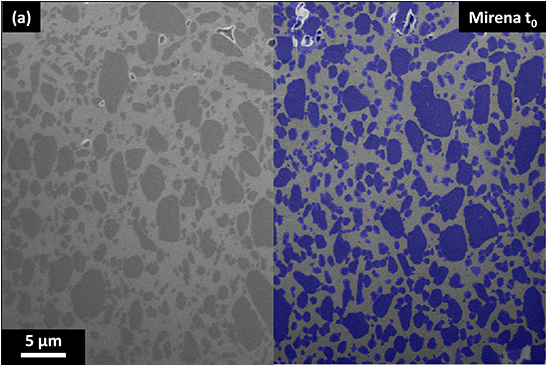
It turns out pharmaceutical manufacturing has some parallels with pizza making. For example, analogous to ham pieces, our clients are often interested in changing the number (volume fraction) or size of API particles and studying the impact that would have on drug release profiles. Investigating this with traditional cycles of drug product formulation, manufacturing and in vitro or in vivo testing in the laboratory would take months if not years, require large amounts of funding and likely have regulatory challenges as well.
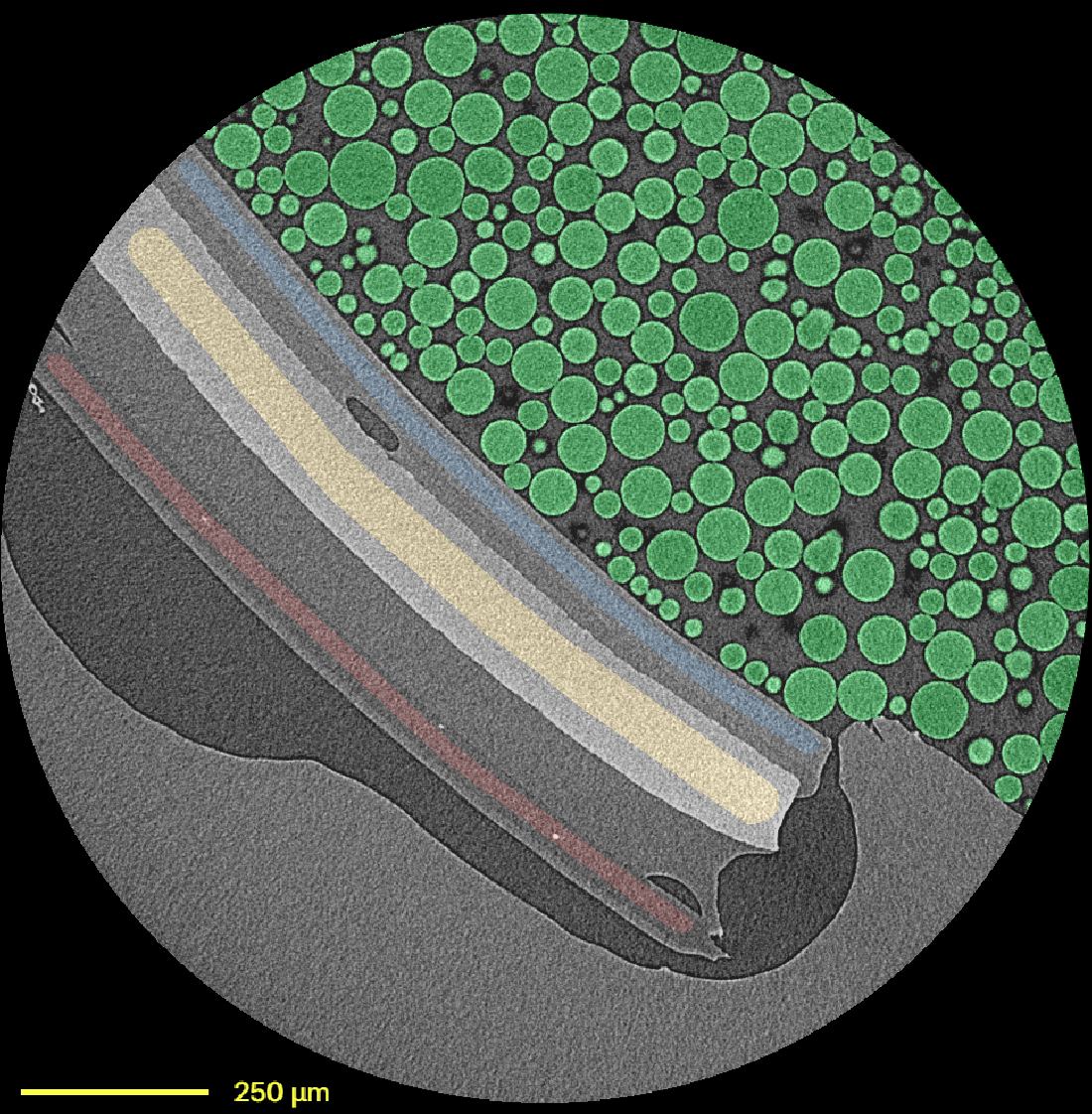
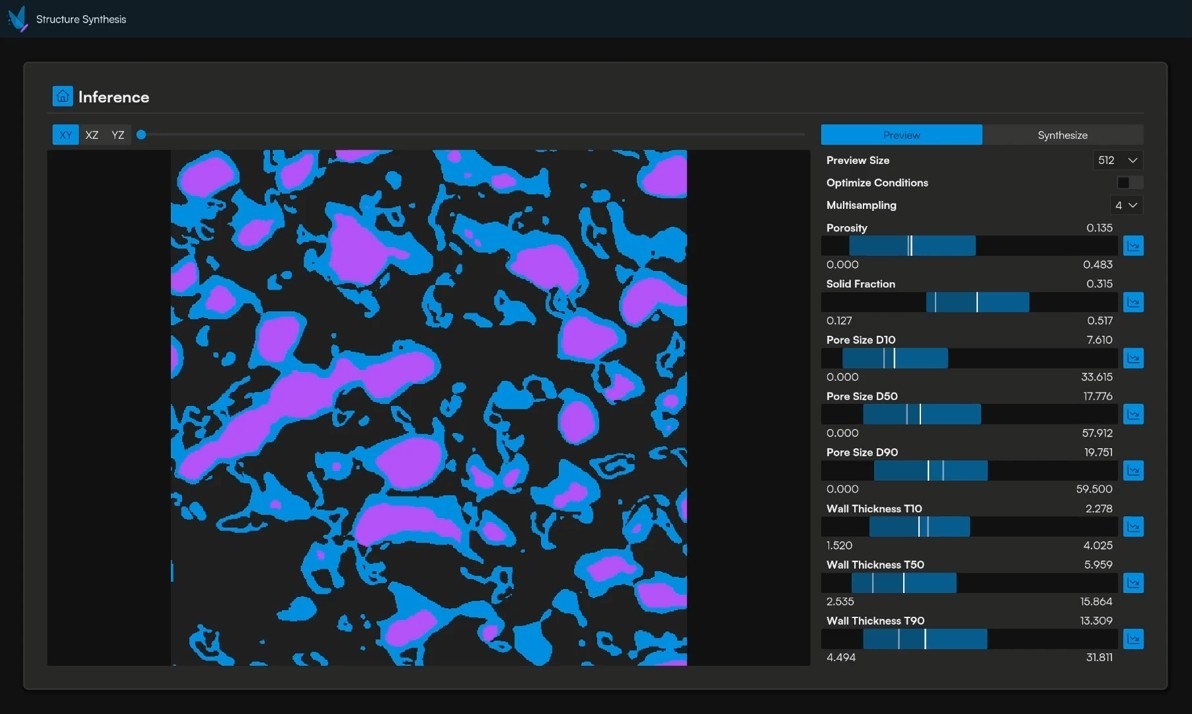
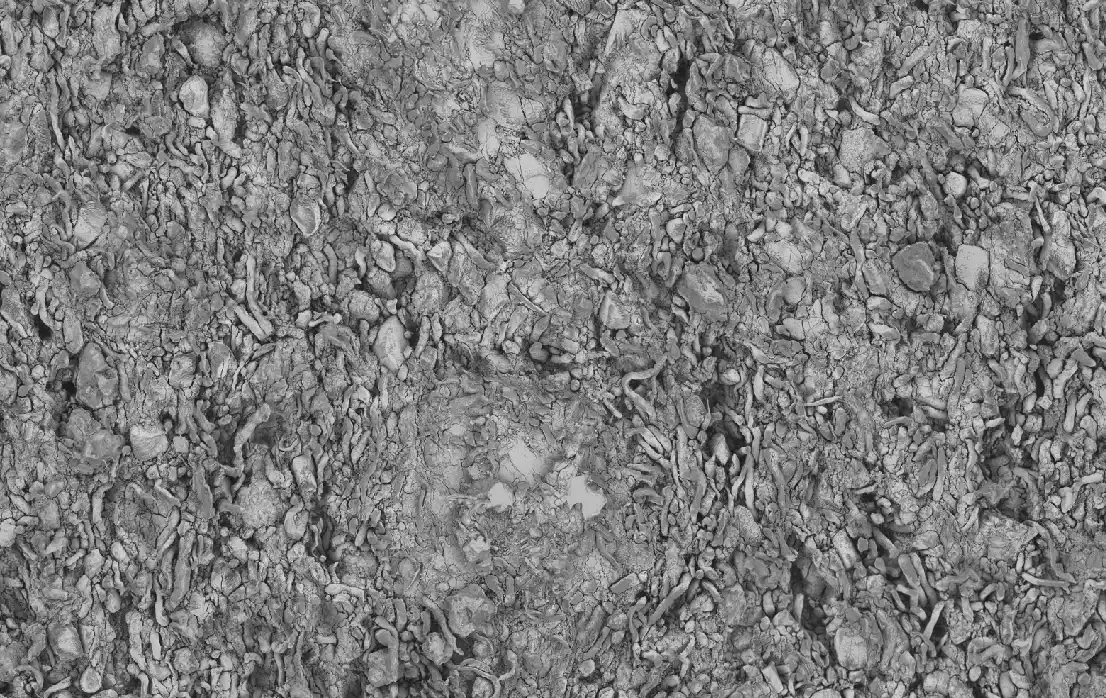
At digiM, we enable significant time and cost savings for our clients over traditional testing methods by virtually synthesizing a high-fidelity 3D “digital twin” of the drug product from a cost-effective high-resolution image such as a microCT or a FIB-SEM, along with any desired modifications such as API particle size. This is accomplished using our patented generative AI method using conditional generative adversarial networks (cGAN) [1]. We then perform realistic computational physics-based drug release predictions [2], all in a matter of minutes, accessible to clients via our cloud-based software platform dissoLab.
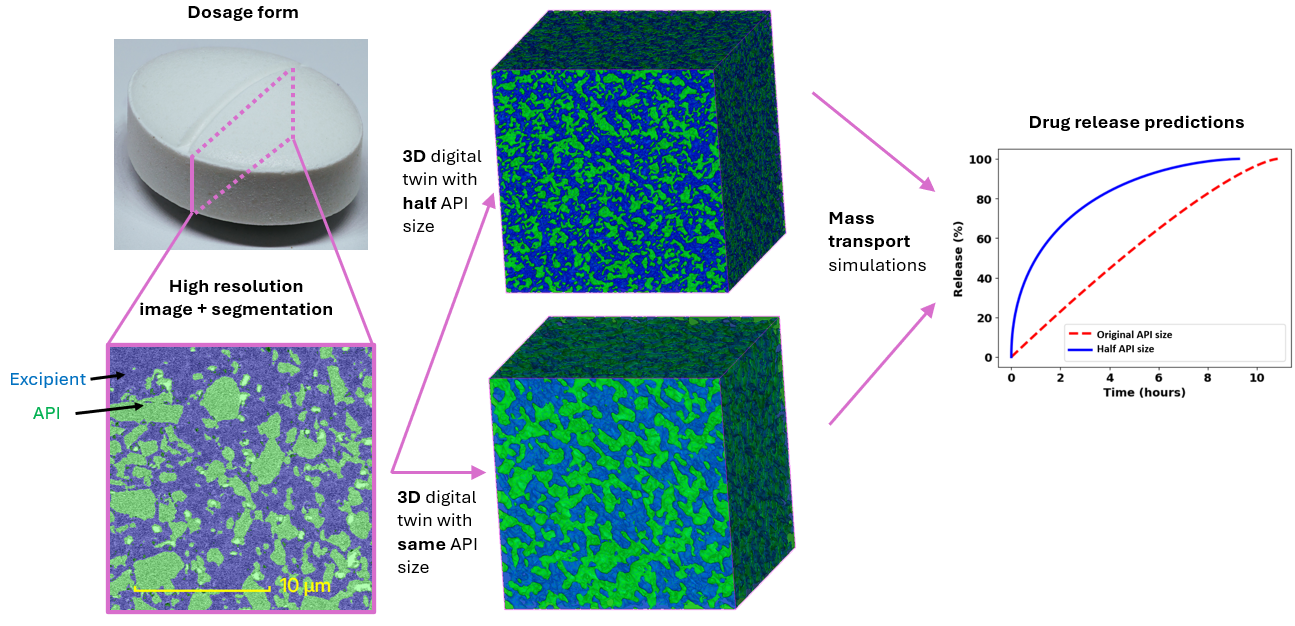
Generative AI is most widely known in the context of text-based large language models such as ChatGPT. The microstructure synthesis described above is the image-based version, and these pharmaceutical applications are explored further on our sGAN webpage. This workflow has been successfully applied to a variety of pharmaceutical products including microspheres, tablets, implants, LAI depots, IUS devices, and more, listed in our RLD microstructure library website.
Drug release depends critically and non-trivially, among other things, on API diffusion network; the only way to reliably and accurately predict release is to use high-resolution imaging and segmentation workflows combined with Generative AI digital twins. We empower our clients to virtually and efficiently explore an unlimited number of dosage formulations. In other words, we enable them to make their dream pharmaceutical product!
[1] Hornick, T. et al. In silico formulation optimization and particle engineering of pharmaceutical products using a generative artificial intelligence structure synthesis method. Nature Communications (2024). https://doi.org/10.1038/s41467-024-54011-96.
[2] Gautreau, J. et al. Dissolution prediction from images: method and validation of dissoLab platform. AAPS Open (2025). https://doi.org/10.1186/s41120-025-00122-6


Get started with a drug product digital twin.