
FDA guideline cites digiM I2S software for ophthalmic implant
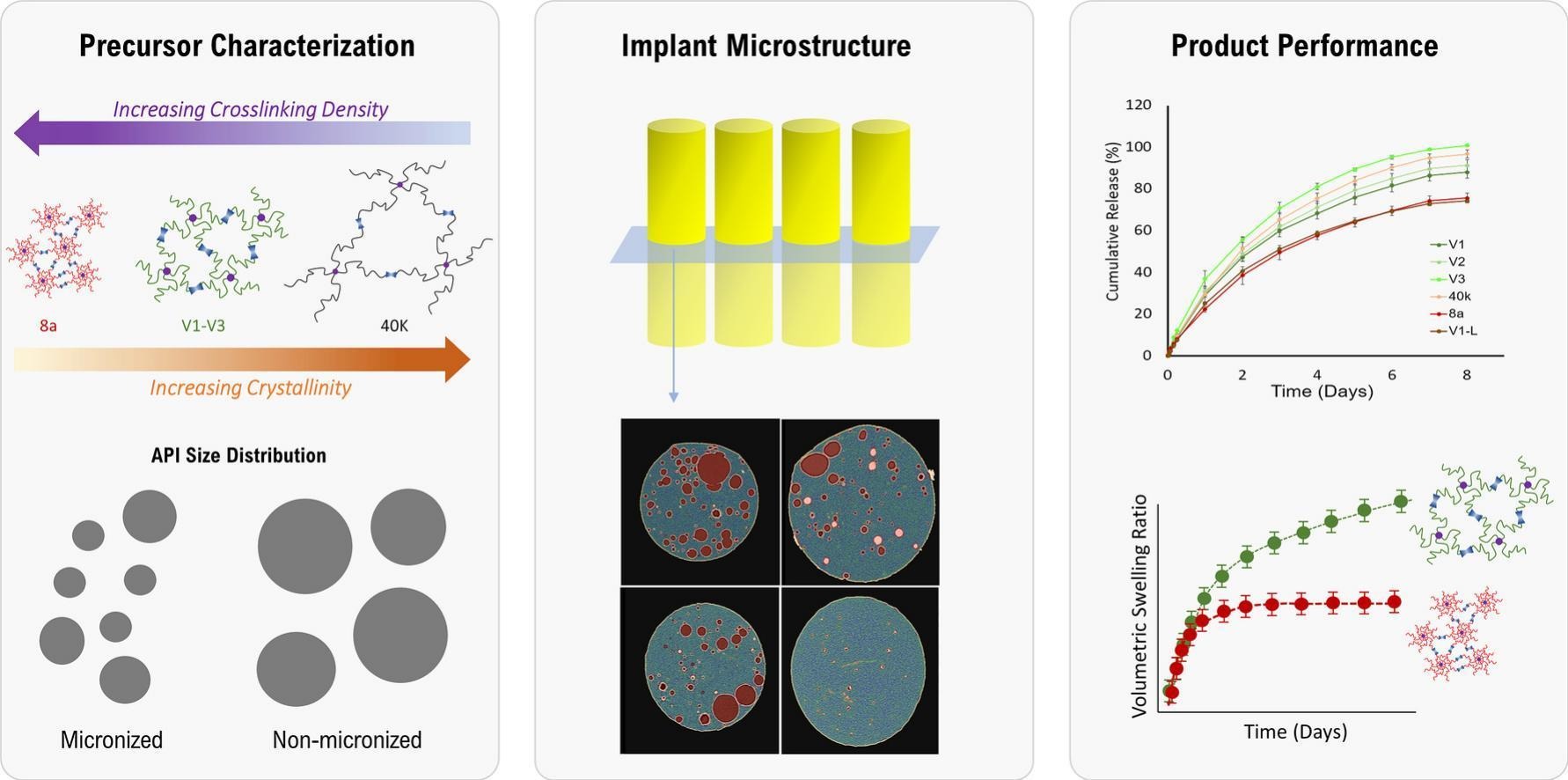
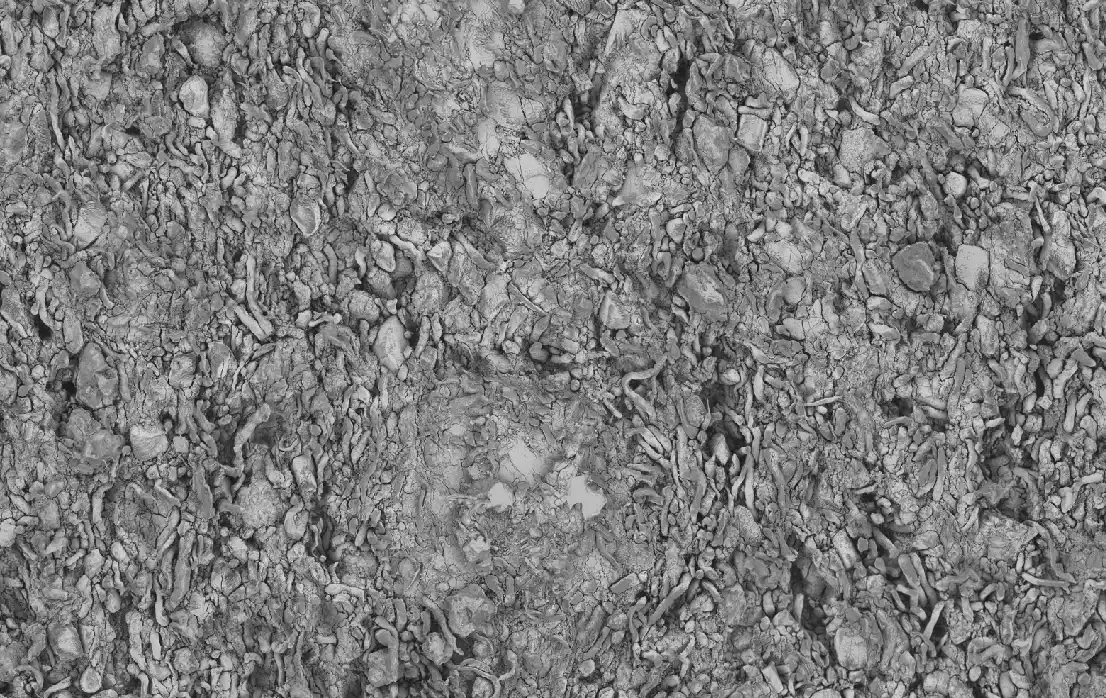
The FDA's newest draft product-specific guidance (PSG) for generic dexamethasone ophthalmic inserts recommends microstructure imaging as a comparative characterization study, and the research behind that recommendation was generated on digiM's I2S platform. The guidance cites a peer-reviewed FDA study (VandenBerg et al., International Journal of Pharmaceutics, 2025) in which FDA scientists used digiM I2S to characterize pore and API size distributions and API spatial distribution within the inserts from X-ray microscopy data.
That study's microstructure work maps directly onto what the guidance now asks generic developers to do. For the dexamethasone insert (referencing Dextenza, NDA 208742), the FDA lays out an in vitro bioequivalence pathway built around real-time in vitro drug release testing alongside a suite of comparative characterization studies. Among them is microstructure imaging, comparing porosity, pore size distribution, drug particle size and size distribution, and the spatial distribution of pores and drug particles between the test and reference products. Those are the exact attributes I2S, the platform behind that FDA study, was built to quantify.
This follows the FDA's December 2025 draft guidance for minocycline microspheres, which recommended FIB-SEM microstructure characterization for bioequivalence demonstration. The throughline is hard to miss: the FDA increasingly treats microstructure, including porosity, drug particle size, and spatial distribution, as a measurable and comparable critical quality attribute for complex generics.
For sponsors filing an ANDA on a complex ophthalmic generic, this is where the bar now sits. The same characterization also gives innovators a quantitative handle on the attributes that drive insert swelling, degradation, and drug release. Either way, digiM's microstructure imaging and AI analysis turn a regulatory expectation into defensible data.



Transform Your Program with Microstructure Science
Get started with a drug product digital twin.