FDA PSG Recommends FIB-SEM Analysis for Microsphere Bioequivalence Demonstration

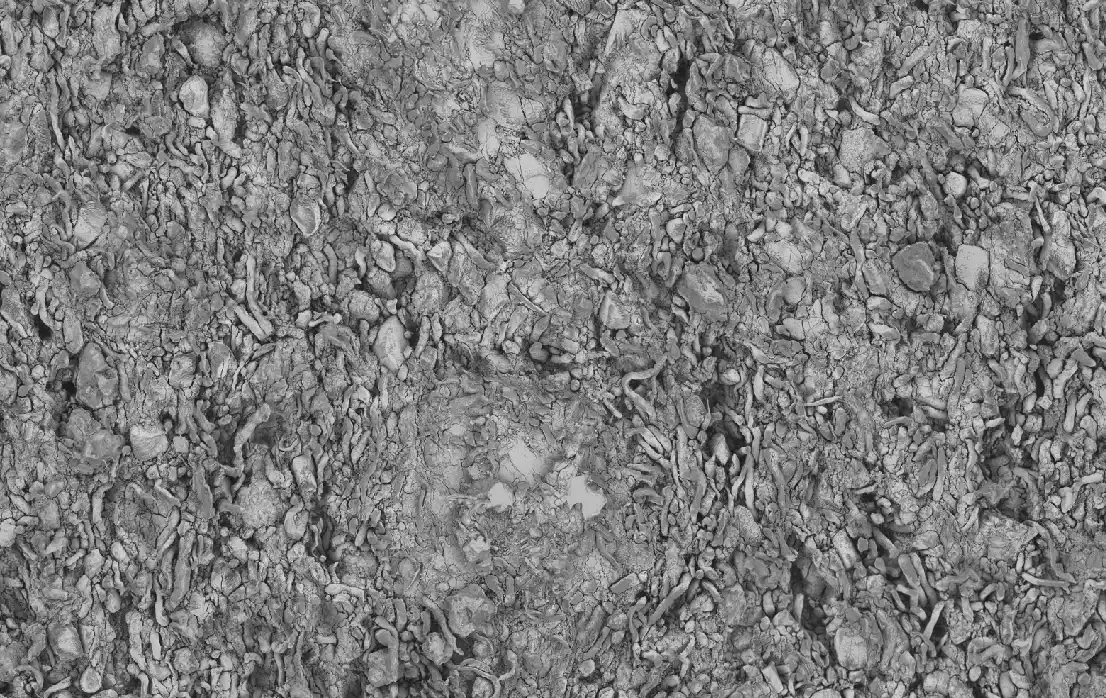
In a recent draft guidance for ANDA submissions of minocycline hydrochloride microspheres, the FDA recommended comparative characterization studies which are suggested under an in vitro bioequivalence study pathway. The product specific guidance recommends that microsphere microstructure characterization, including FIB-SEM analysis, should be used in generating comparative data of the test product and reference standard.
The FDA acknowledgment on the importance of this analysis is a major advancement for regulatory science, projecting a vision on the importance of microstructure characterization for generic development and bioequivalence demonstrations. The guidance is strongly aligned with digiM's own regulatory efforts, including the recent launch of the miQ3 microstructure database, an FDA sponsored repository of reference product attributes which aims to increase accessibility for reverse engineering and accelerated ANDA filings.
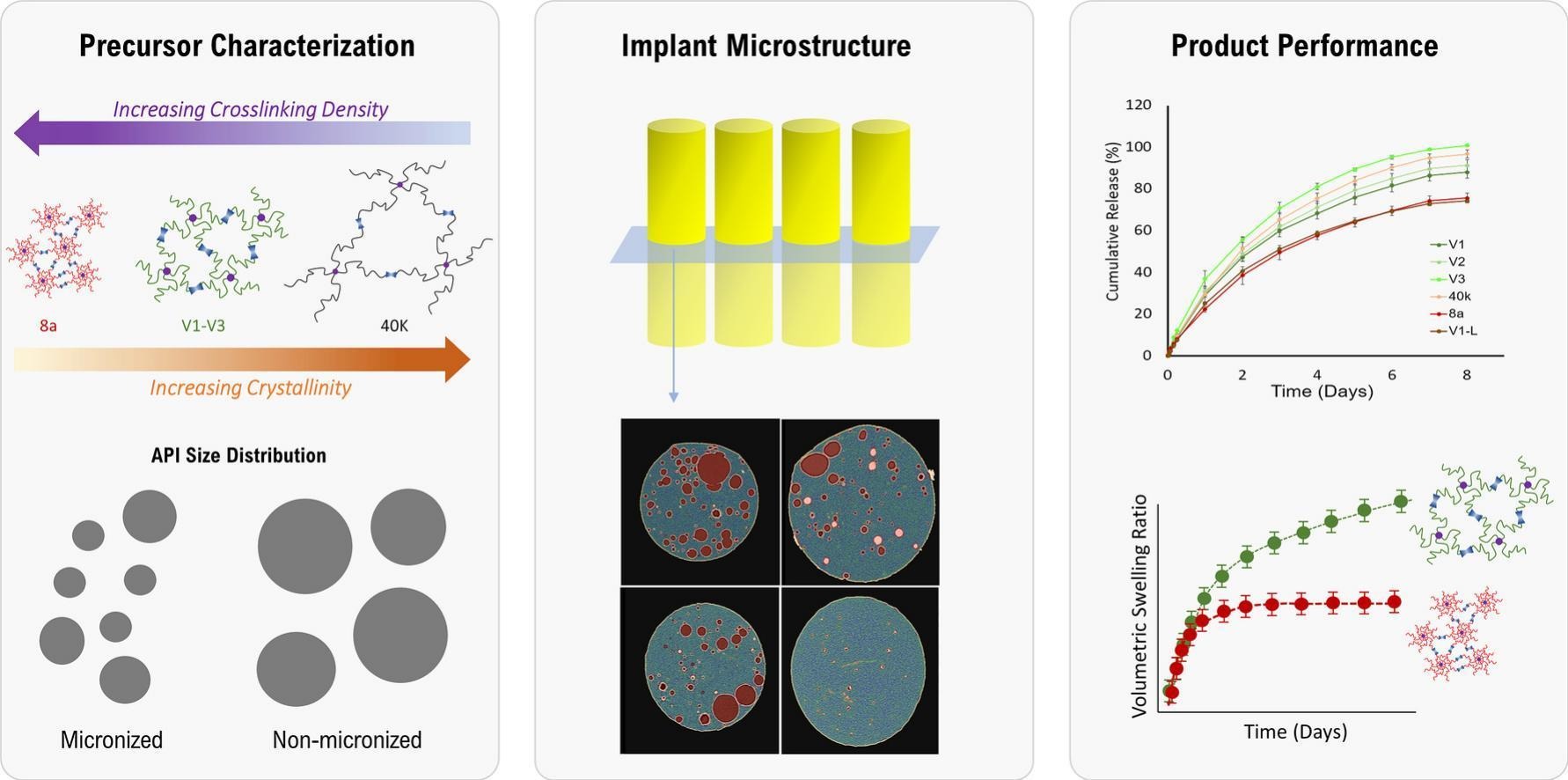
The regulatory recognition of these microstructure attributes (eg drug particle size and spatial distribution) also has implications for innovator development, where such properties can be considered under the umbrella of possible critical quality attributes requiring control and optimization. digiM's rich history of publications with innovators has demonstrated microstructure characterization as transformative to optimizing product performance and quality with accelerated development timelines.
Excerpt from the draft guidance:
"I. Option 1: One in vitro bioequivalence study with comparative characterization studies
...
Comparative characterization studies
Comparative physicochemical characterization of the test product and RS should be performed on a minimum of three exhibit batches of the test product and three batches of the RS and should include:
a. Polymorphic form of minocycline hydrochloride
b. Drug loading in the microspheres
c. Particle size distribution and morphology of microspheres
d. Microsphere microstructure6 (e.g., porosity of microspheres, drug substance particle size and size distribution, and spatial distribution of drug particles and pores within microspheres) employing at least two orthogonal methods


Transform Your Program with Microstructure Science
Get started with a drug product digital twin.